
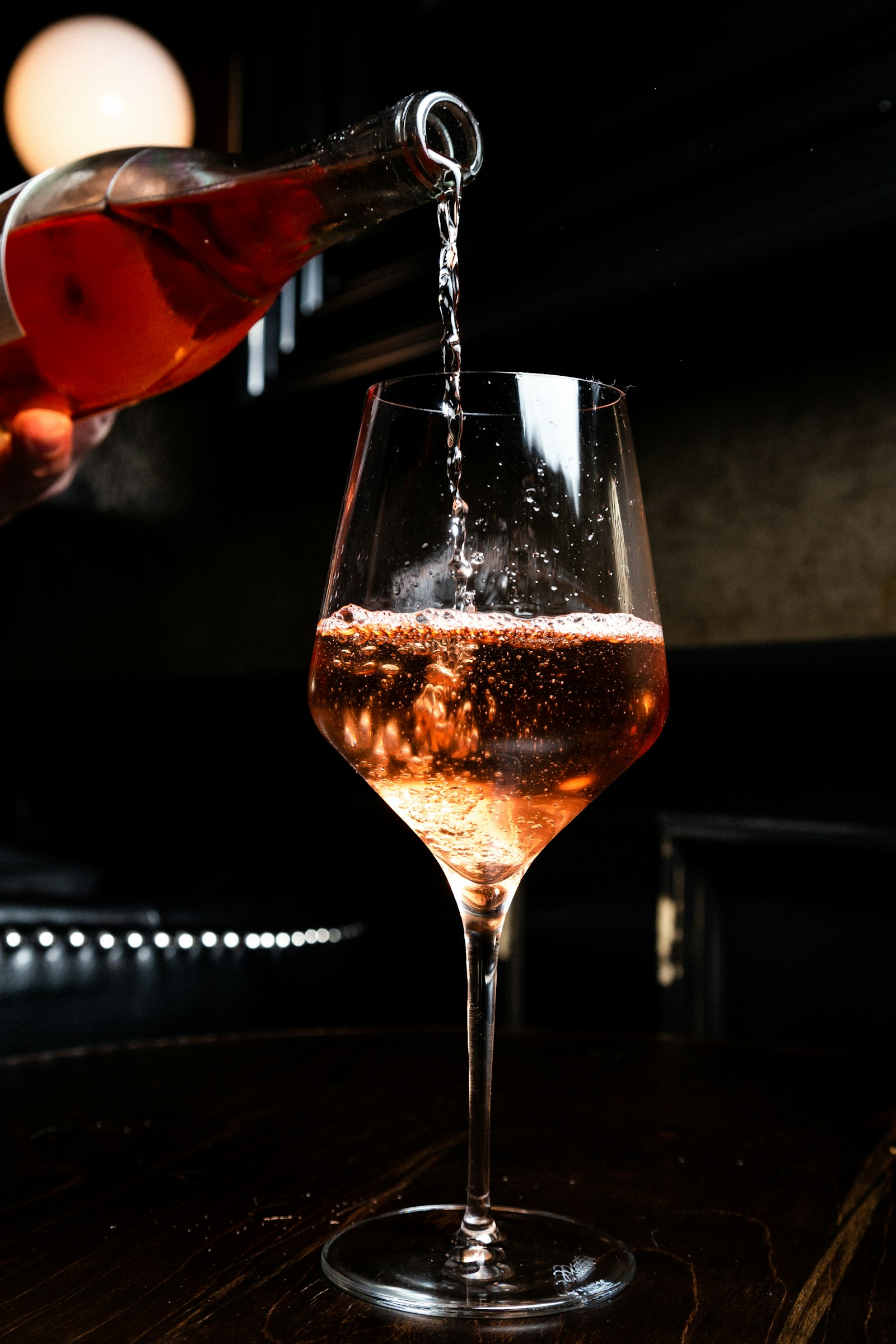
Most wine advice was written for a temperate climate, a European one, where "room temperature" means a cool 18°C and a cellar takes care of itself. In Bali, none of that holds. The room is closer to 29°C, there is no cellar under the house, and the gap between a wine served properly and a wine served warm is enormous. The good news: a few simple habits will get you almost all of the way there.
Start cold: serving temperatures in the tropics
The single most common mistake in a hot climate is serving everything too warm, especially red wine. Warm wine tastes flabby, alcoholic and dull; a gentle chill restores its freshness and lift. As a rule, pull each bottle from the fridge a little colder than you think, because it will warm up fast in your hand and in the glass.
- Sparkling & Champagne, 6-8°C. Straight from a well-chilled fridge or an ice bucket.
- Crisp whites & dry rosé, 8-10°C. Sauvignon Blanc, Pinot Grigio, Provence rosé.
- Fuller, richer whites, 10-12°C. Oaked Chardonnay, white Rhône, too cold and they lose their aromatics.
- Light & chillable reds, 13-15°C. Yes, chill them. Gamay, lighter Pinot Noir, juicy young reds love a tropical chill.
- Structured reds, 16-18°C. Bordeaux, Barolo, Cabernet, cool, never the 29°C of the room.
In Bali, "room temperature" is a trap. The room is 29°C, your red should never be.
A practical trick: keep an ice bucket on the table for everything, reds included. Twenty minutes in ice and water brings a red down to a perfect 15-16°C, and you can pull it out the moment it's right.
Storage without a cellar
You don't need an underground cellar in Bali, you need to defend bottles from three enemies: heat, light, and big temperature swings. Humidity, the usual cellar concern, is one thing the island gives you for free; corks stay supple here.
- Invest in a wine fridge. It is the single best decision a wine lover in the tropics can make. Even a small one transforms what you can keep at home.
- Keep bottles away from the kitchen, from windows and from any spot that catches afternoon sun. An interior cupboard is far better than a pretty rack by the glass.
- Lay corked bottles down so the cork stays wet, and avoid moving them constantly between hot and cool.
- Buy little and often. A tropical home is not the place to stockpile a case for a decade, let your supplier hold the stock in a proper cellar and bring bottles in as you need them.
- Once open, re-cork and return it to the fridge. Most wines are happy for two or three more days; the cold buys you time.
Pairing with Bali's table
This is where the tropics become a gift rather than a problem. Balinese and Indonesian flavours, chilli heat, lime and lemongrass, grilled smoke, coconut richness, fermented funk, are bright and bold, and they pair beautifully with the fresh, lively styles a hot climate already calls for.
Chilli heat, sambal, spicy curries
Tannin and capsaicin are enemies: a big tannic red against a fiery sambal turns bitter and even hotter. Reach instead for a touch of sweetness or bubbles, which calm the burn, off-dry Riesling, a fruity rosé, or a glass of sparkling.
Grilled satay & smoky meats
Charcoal and caramelised sweetness love a juicy, lightly chilled red, Gamay, a fresh Grenache, a young Pinot, or a structured rosé with enough body to stand up to the grill.
Ikan bakar & grilled seafood
Bali's grilled fish, lime and herbs sing with high-acid whites: Sauvignon Blanc, Vermentino, Chablis. The acidity does what a squeeze of lime does, it lifts everything.
Rich, coconut-led dishes, rendang, gulai
Soft, fruit-forward reds with gentle tannins, Malbec, a warm-climate Grenache, match the richness, as long as the chilli is moderate. When in doubt across a whole spread of dishes, a dry sparkling wine is the universal friend of the Indonesian table.
Quick reference
- Serve everything cooler than instinct says, reds included (13-18°C).
- An ice bucket on the table works for every style, not just whites.
- A wine fridge beats any rack; keep bottles dark, cool and still.
- Spice loves sweetness, bubbles and acidity, not tannin.
- When unsure, pour sparkling. It flatters almost any Balinese dish.
Get the temperature right and the rest follows. The same bottle that tastes tired and warm at 2pm can taste electric at 14°C with a plate of grilled fish and a sea breeze, which is, after all, the whole point of drinking wine in Bali. If you'd like our team to build a list and train yours, that's exactly what For Partners is for.